
.png)
_edited.jpg)


Cashapp $CindyBarrington


Food Remedies

Apple Cider Vinegar
Apple cider vinegar is made by fermenting apples. The first fermentation creates apple cider. The second fermentation creates vinegar, which contains acetic acid, the source of many health benefits.
When purchasing ACV for health purposes, choose raw, organic, unfiltered ACV "with the mother". The mother, or SCOBY, is a Symbiotic Culture of Bacteria and Yeast, just like in kombucha.
The good bacteria and good yeast are the source of probiotics, enzymes that help break down food during digestion, as well as the microbes that fight bad bacteria. ACV is excellent for gut health because it is a prebiotic AND a probiotic. What does this mean? It means it contains the colony of good bacteria as well as the food that feeds the colony.
Studies have show acetic acid slows down the digestion of carbohydrates, which helps to regulate blood sugar. When blood sugar spikes, it signals the pancreas to release insulin, which is the hormone that tells the body to store fat. Regulating blood sugar helps the body use fat for energy instead of storing it.
Studies have shown ACV can improve blood glucose levels and triglycerides in diabetic patients as well as in obese adults. ACV also flushes the liver, inhibits the growth of cancer cells, and helps the bones absorb calcium, especially in women who have had their ovaries removed. Hippocrates used vinegar to heal wounds.
The best way to take ACV is to use it regularly in marinades, salad dressings, stock, etc. You can also take a shot of ACV 1-2 times a day, at the beginning of the meal, which improves digestion and gut health.
For ways to incorporate ACV into your daily life, click the Recipes and How-To's button below.

Beef Tallow
Beef tallow is rendered fat from cows. The highest quality tallow comes from grass-fed cows, and has higher levels of conjugated linoleic acid than grain-fed cows. CLA is known to reduce the risk of cancers, enhance the immune system, improve body composition, and has been found to help with obesity-related type 2 diabetes. Tallow supports cardiovasular health, and balances cholesterol.
Tallow is 40-50% monounsaturated fats, the same fat found in olive oil. It has a high smoke point, and is more suitable for frying food than olive oil. The smoke point is the point at which oil becomes carcinogenic. It causes inflammation in the body because it has been broken down by heat.
Tallow is also beneficial for helping the body absorb nutrition. Vitamins A, D, E, & K are fat-soluble, which means they require fat in order to break down and be absorbed by the body. It is also high in omega-3 fatty acids, which is beneficial for brain health, heart health, skin health, mental health, and so much more.
Our ancestors were called "fat hunters". They knew fat was a stable source of energy. According to the Weston A. Price Foundation, our ancestors never ate lean meat without smearing fat on it first. I have watched the entire series of Alone. The people surviving in those desolate places were always looking for animals with fat. It is essential for survival.

Butternut Squash
Butternut squash is an autumn staple at my house. It is a hearty, warming fruit that is great as a side dish or a soup. Besides being delicious with butter and cinnamon, it also has tremendous health benefits.
In just one serving of butternut squash, you get four times the daily recommended value of vitamin A! Vitamin A supports eye health and vision, immunity, and cell health. It also fights cancer and autoimmune diseases.
This squash also gives you over half of the vitamin C you need in a day as well as fiber, manganese, potassium, magnesium, B vitamins, vitamin E, calcium, iron, copper, and phosphorus (which makes up most of your bones and teeth).

Cranberry
While most of us only eat cranberries at the holidays, ultra-processed ones at that, cranberries are a fruit worth incorporating into our daily lives. Cranberries have been shown to reduce the recurrence of urinary tract infections, which reduces the need for antibiotics, protects the heart, and is a powerful antioxidant.
Cranberries are known for keeping H. pylori infection from growing, and improving pancreatic responsiveness to glucose fluctuations. They are also great for lowering bad cholesterol and raising good cholesterol, reducing oxidative stress, decreasing streptococcus mutans in saliva, and improving metabolism.
Cranberries are antimutagenic. This means they reduce the rate that damaged DNA mutates. They also enhance the repair of DNA. If you have a "genetic" disease, cranberries may help to improve your condition.
Cranberries are a great source of antioxidants, calcium, copper, fiber, iron, magnesium, manganese, potassium, vitamins B, C, E, and K.
For ways to incorporate cranberries into your daily life, click the Recipes and How-To's button below.

Garlic
Garlic is a well-known spice used most often in savory dishes. In the world of natural health, it is known to be "as good as ten mothers". It is known for its healing, cleansing, and rejuvenating properties.
Garlic has been used for centuries to promote health and prevent disease. Clinical studies have shown garlic helps with cardiovascular disease, cancer, metabolic disorders, blood pressure problems, reduces LDL cholesterol, and improves diabetes. The allicin in garlic helps boost immunity and fight off infections.
Galic also contains high levels of potassium, zinc, phosphorus, sulfer, selenium, calcuim, magnesium, manganese, iron, sodium, vitamin A, B-complex, and C.

Honey
Honey is a naturally produced food that has antioxidant, anti-inflammatory, and anti-microbial properties. While honey has a high sugar content (mainly fructose and glucose), studies have shown more positive effects of eating honey than negative effects, especially in children, people with cancer, cardiovascular patients, and diabetics.
In traditional medicine, honey was used as a treatment for cancer, eye disease, bronchial asthma, throat infections, tuberculosis, fatigue, dizziness, parasites, piles, eczema, hepatitis, ulcers, wounds, constipation, and the list goes on. Studies have shown honey to have a protective effect against diabetes, respiratory illness, cardiovascular disease, nervous system problems, and even cancer.
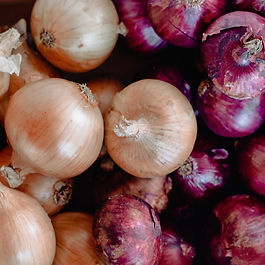
Onion
Onion is not only a food that adds flavor, but it is also a medicinal herb. Medicines such as quercetin and Mederma have onion as one of their main constituents. Onion also provides alk(en)yl cysteine sulfoxides including S-methyl cysteine sulfoxide and S-propyl cysteine sulfoxide, cycloalliin, thiosulfinates, and sulfides, which are ingredients in many pharmaceutical medicines.
The onion protects from oxidative stress, protects against cancer, supports immunity, improves heart health, reduces inflammation, prevents and dissolves blood clots, improves bone health, prevents tumors, supports gut health, lowers blood pressure, helps with consitpation, regulates blood sugar, and, with garlic, it fights infectious disease. Studies have shown reduction of body fat from using onion extract. It is also a broad-spectrum antimicrobial.

Pineapple
Pineapple is so sweet and delicious that it's hard to believe it is medicine. It contains enzymes that, when eaten at the beginning of the meal, can aid in digestion. It is rich in antioxidants, vitamins, minerals, and fiber. It protects against cancer and oxidative stress, improves immunity, aids in digestion, reduces pain and inflammation, aids in muscle recovery after a workout, and helps wounds heal.
Bromelain, a mixture of enzymes found in the flesh and core of the pineapple, is known to reduce pain and inflammation and help wounds heal. By blending the flesh and core together in the blender, you will have a pineapple sauce that helps with arthritis and other inflammatory conditions. The bromelain may irritate your mouth when eating pineapple. Rinsing with water is often a quick fix.

Raw Milk
Proverbs 27:27 There will be enough goats’ milk for your food, for the food of your household and maintenance for your girls.
When it comes to raw milk vs pasteurized milk, think life vs death. Raw milk contains every nutrient we need, in a form the human body can actually use. It contains calcium, folate, vitamins A, B2 (riboflavin), B6 (pyridoxine), B9 (folate), B12, C, D, iron, minerals.
Pasteurized milk has been heated, destroying much of the nutrition. In this state, pasteurized milk becomes an inflammatory substance. Do you remember the ads that said, "Got Milk?" You don't see those commercials anymore. But, why? It's because they discovered that pasteurized milk makes bones brittle!
The old-fashion method of pasteurization heated the milk to 170 degrees. With this method, vitamin A and other vitamins are degraded, important proteins and enzymes are denatured, and immunoglobulins (aka antibodies) are destroyed. These days, milk is ultrapasteurized, heating it to 230 degrees. How can anything good remain?
When looking for raw milk to buy, be sure to ask if it contains the A2 beta-casein protein (A2/A2). This protein is the same primary protein found in human mother's milk, making it easier to absorb.
One more thing to note about raw milk...it's illegal. Yep, it's illegal to sell raw milk for human consumption. When you find a farmer that sells it, it will have a label that says it's for animals only. Don't let that deter you.
When you buy from farmers with a milk-producing business, that milk is much more likely to be safe. In many states, the U.S. Department of Agriculture or a similar goverment agency, inspects the farms to ensure safety and compliance.

Strawberry
Strawberries are a nutrient-dense superfood. Besides being sweet and delicious, they are known for their anti-aging properties. They contain high amounts of vitamin C, which promotes collagen production, sebum production, reduces wrinkles, and improves skin elasticity.
They also protect the eyes, decrease arthritis pain, protect from cancer, combat cardiovascular disease, and protect the body from Alzheimer's.
Strawberries contain antioxidants, flavonoids, folate, manganese, potassium, vitamins A (beto-carotene), and vitamin C.

Tomato
Tomatoes are a common food enjoyed around the world. While we refer to them as vegetables, tomatoes are actually berries. They are high in antioxidants, proteins, amino acids, fatty acids as well as vitamins C and E.
Tomatoes are known to help with constipation, reduce blood pressure, increase blood circulation, detoxify the body, and regulate lipids. They help prevent cardiovascular disease, neurodegenerative diseases, and osteoporosis. When taken with garlic, they help prevent many types of cancer.

Turmeric
Turmeric is a plant from the ginger family known for its healing abilities. Curcuminoids, including curcumin, are the parts of the plant generally considered medicinal. Turmeric has been used for thousands of years to strengthen the overall energy of the body, reduce inflammation, and stop the growth of bacteria.
Because turmeric is a spice, it is safe to eat. I use it on chicken, in soup, and on vegetables. It can be taken as a daily supplement for overall health, used topically on cuts and wounds as well as on painful sites of osteoarthritis.

Watermelon
Watermelon is a nutrient-dense fruit that is tasty and hydrating, with seeds that are just as nutritious as the fruit itself. Watermelon has magnesium, sodium, and potassium, vitamin A, and vitamin C. Watermelon seed contains iron, magnesium, zinc, and "good" fat.
Watermelon is known to support immunity, protects against dehydration, relieves pain and soreness, reduces the risk of prostate cancer, and reduces inflammation. Scientific studies have shown that people who eat watermelon, are healthier overall.